
Understanding Cataracts: A Guide to Eye Health
Is the world looking a little blurry lately? You might be experiencing cataracts, a common and highly treatable eye condition that affects millions of Americans.
Welcome to the patient education resource center at St. Jude Eye Care. Our mission is to provide you with reliable, medically accurate information regarding common age-related eye conditions, particularly cataracts.
Located in Brooklyn, NY, our practice, under the direction of Dr. Swathi Reddy, offers comprehensive diagnostic services and treatment options for individuals experiencing changes in their vision due to lens opacity.
The Anatomy of a Cataract
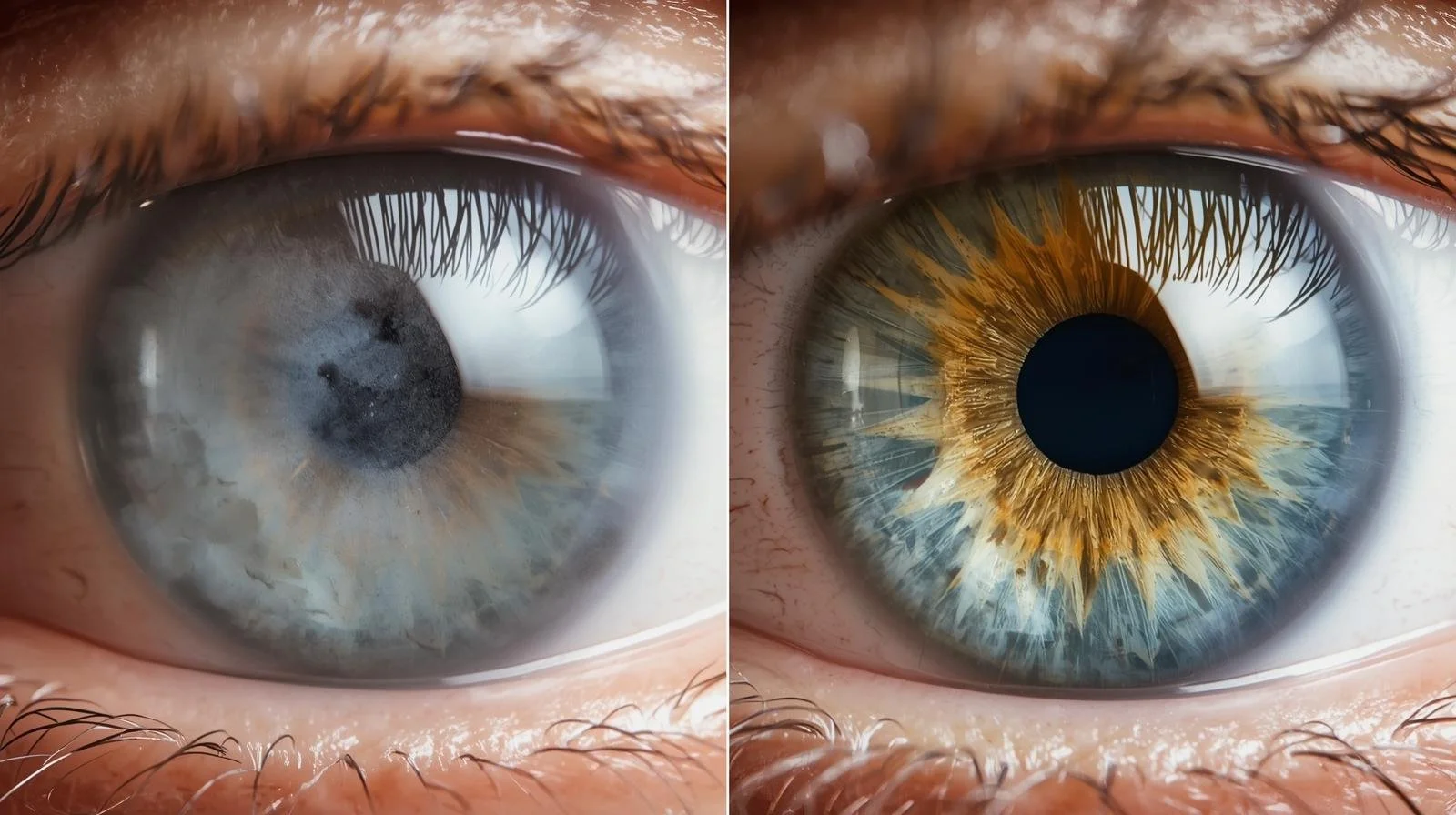
A cataract is the progressive clouding of the eye's natural lens, which sits behind the iris and pupil. The lens works much like a camera lens, focusing light onto the retina at the back of the eye.
When the proteins within the lens break down and clump together—a process that typically occurs as we age—the lens becomes hazy, preventing light from passing through clearly. This results in blurred vision and potential vision loss if left unaddressed. Cataracts are one of the leading causes of blindness globally, but are highly manageable with appropriate medical care.
Recognizing the Symptoms
Cataracts typically develop gradually. Symptoms often begin subtly and may include:
Blurred, hazy, or dim vision: The overall visual field lacks sharpness.
Reduced intensity of colors: Colors may appear muted or yellowish.
Increased sensitivity to light and glare: Bright lights, especially at night (e.g., streetlights, headlights), can be uncomfortable or appear to have halos.
Difficulty with night vision: Driving at night may become unsafe due to reduced visibility.
A "second sight" phenomenon: Temporarily improved near vision in hyperopic (farsighted) individuals, which fades as the cataract worsens.
Diagnosis and Evaluation Process
A comprehensive eye exam is required to diagnose cataracts and assess their severity. At St. Jude Eye Care, this process involves:
Visual Acuity Test: Measures how well you see at various distances.
Dilated Eye Exam: Drops are used to widen the pupil, allowing Dr. Reddy to examine the lens and retina thoroughly for signs of cataracts or other eye diseases.
Tonometry: Measures the pressure inside the eye.
Early detection allows us to monitor the cataract's progression and discuss appropriate management strategies.
Management and Treatment Options
Cataracts do not always require immediate removal. Initially, vision changes may be managed with non-surgical methods such as:
Updating your eyeglass prescription with stronger lenses
Using anti-glare coatings on glasses
Ensuring adequate lighting for reading and detail work
When cataracts progress to the point that they interfere with essential daily activities or driving safety standards, surgical intervention is typically recommended.
Cataract surgery is a common and effective outpatient procedure where the clouded lens is removed and replaced with a clear, artificial intraocular lens (IOL). This procedure is performed by qualified ophthalmologists, such as those on the team at St. Jude Eye Care.
Next Steps for Consultation
If you are experiencing any of the symptoms listed above, a professional consultation is essential to maintain your eye health.
Review the National Eye Institute's official patient guide on Cataracts: Causes, Symptoms, and Treatment for further reading.
To schedule a diagnostic evaluation in our Brooklyn office, please contact us at (718) 257-4549 or schedule an appointment online.
We accept most major insurance providers, including Medicare and Medicaid. Please contact our administrative team for specific insurance verification.